What Should Be Considered When Buying Fresh Produce From Wholesale Markets?
In the food industry, supplying high-quality and reliable products is one of the most important factors directly affecting service quality. Especially in the fruit and vegetable category, selecting the right products plays a critical role in shelf life, taste, nutritional value, operational efficiency, and customer satisfaction. For restaurants, hotels, cafés, catering companies, and mass food production facilities, maintaining a sustainable quality standard requires a professional and carefully managed supply process.
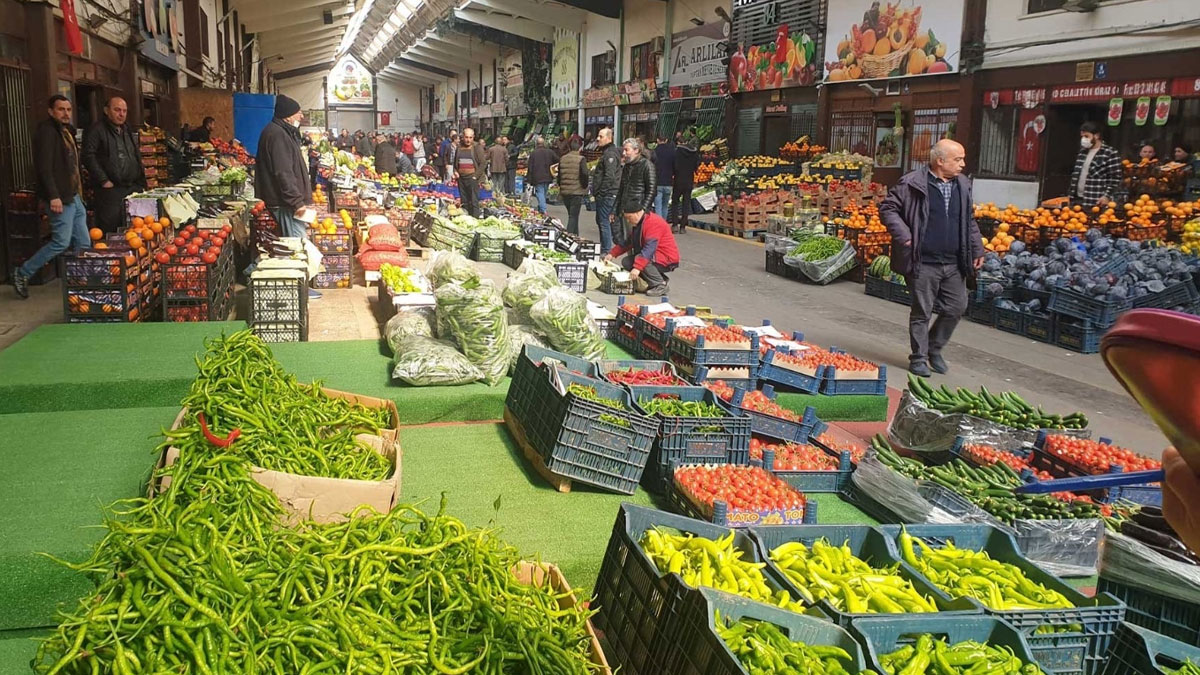
When purchasing products from wholesale markets, focusing only on price is often not sufficient. Product freshness, appearance, transportation conditions, storage process, seasonal suitability, and overall quality standards should all be evaluated together. Incorrect product selection may lead to higher operational costs, product waste, and reduced efficiency, particularly for businesses with high-volume food production.
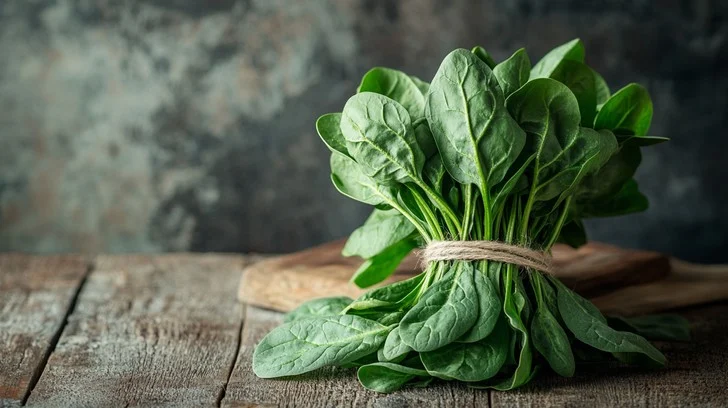
Fresh fruits and vegetables generally have vibrant colors, a firm texture, and a natural appearance. Wilted, softened, bruised, or damaged products may quickly lose quality and should be carefully inspected before purchase. In leafy vegetables, discoloration, moisture loss, and structural deterioration are important indicators of reduced freshness. For fruits, natural firmness, aroma, and surface integrity are considered essential quality criteria.
During wholesale purchasing, evaluating only the visible top section of a crate is not considered a reliable method. Damaged or spoiled products may be present in the lower sections of the packaging. For this reason, products should be checked thoroughly to ensure overall quality consistency. This is particularly important for delicate products such as tomatoes, strawberries, grapes, and peaches, where transportation and stacking conditions directly affect product quality.
Choosing seasonal products provides significant advantages in terms of both quality and cost efficiency. Seasonal fruits and vegetables are generally more flavorful, durable, and nutritionally balanced due to natural growing conditions. Off-season products may have reduced taste quality, shorter shelf life, and higher procurement costs.
Logistics and cold chain management are equally important in fresh food supply. Proper transportation conditions, hygienic storage, and maintaining the cold chain help preserve freshness and extend product shelf life. Especially in mass catering and professional kitchen operations, reliable logistics processes are essential for maintaining food safety and product quality standards.
Standardized product quality provides operational advantages for professional kitchens and food production facilities. Consistent product size and quality simplify kitchen planning, reduce waste, and support sustainable production efficiency.
As TCS Group, we provide professional food supply services for restaurants, hotels, cafés, catering companies, and institutional food operations across Ankara and surrounding regions. With our commitment to fresh products, reliable logistics, hygienic transportation, and sustainable quality standards, we continue to deliver professional and solution-oriented food supply services to our business partners.