Seasonal Tomato Guide: Benefits, Selection and Storage Recommendations
Seasonal Tomato Guide: Benefits, Selection and Storage Recommendations
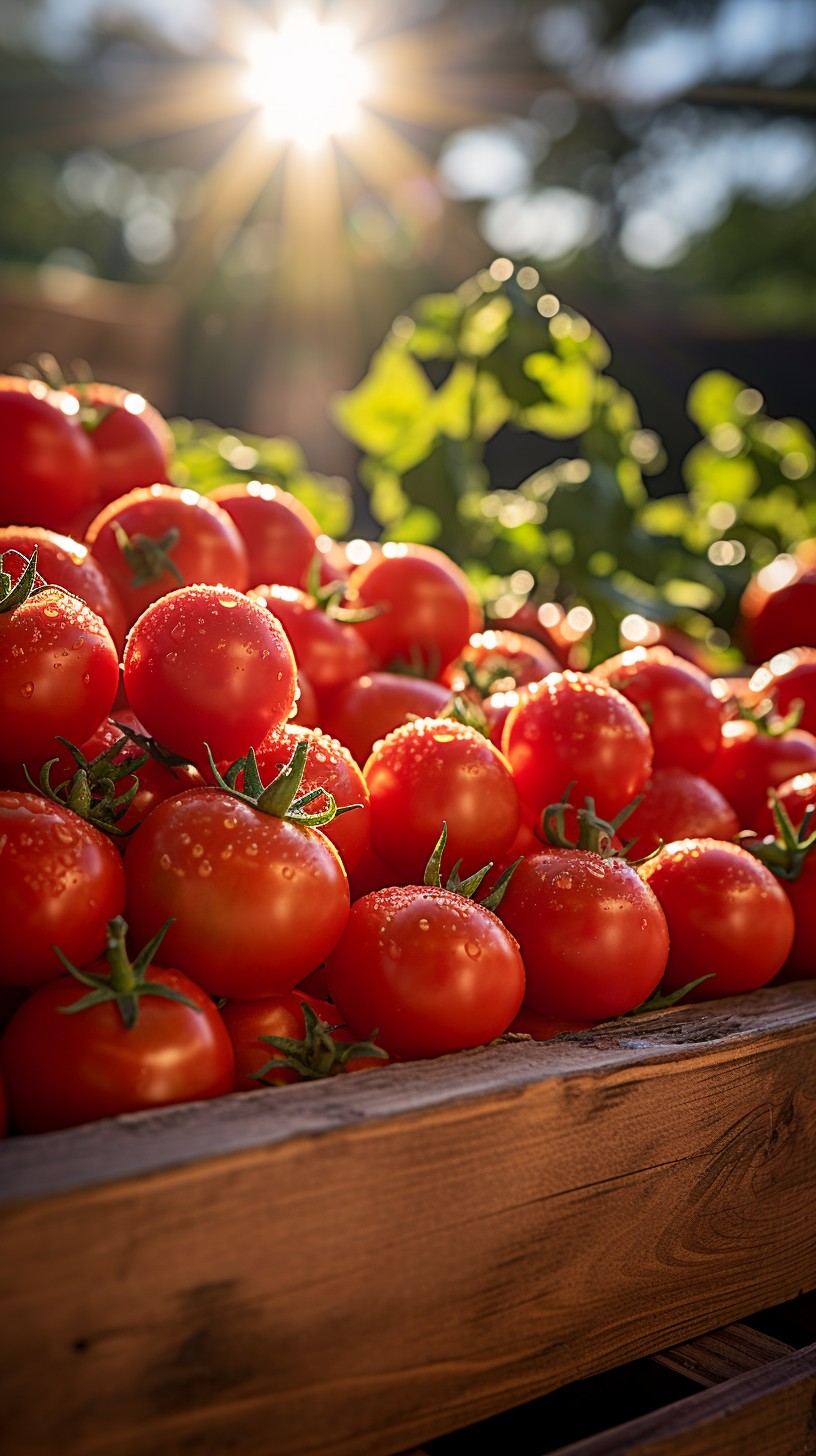
Tomatoes are among the most commonly consumed vegetables in daily nutrition and hold an important place in healthy eating due to their rich vitamin, mineral, and antioxidant content. Especially known for their lycopene content, tomatoes are considered a powerful source of antioxidants that may contribute to cellular protection.
With their vitamin C, potassium, and fiber content, tomatoes may help support the immune system, digestive health, and overall vegetable intake. Their high water content also contributes to maintaining hydration, particularly during warm weather conditions.
Tomatoes grown in their natural season generally offer better aroma, flavor, and product quality. For professional kitchens, restaurants, hotels, and catering operations, selecting high-quality tomatoes is highly important for maintaining operational efficiency and consistent food quality.
How to Select Quality Tomatoes?
A quality tomato should be:
- Bright and naturally red in color,
- Smooth and shiny on the surface,
- Free from bruises or cracks,
- Fresh green around the stem area,
- Naturally aromatic and fresh-smelling.
Overly soft tomatoes or products showing signs of deformation may indicate quality loss.
How Should Tomatoes Be Stored?
Tomatoes should be stored in cool, dry environments away from direct sunlight. Keeping ripe tomatoes in the refrigerator for extended periods may reduce their natural aroma and texture; therefore, consuming them within a short time is recommended.
Cut tomatoes should be stored in sealed containers or covered properly to minimize air contact and preserved in the refrigerator.
Dietitian’s Evaluation
Tomatoes are among the vegetables recommended in balanced nutrition programs due to their antioxidant compounds and nutritional value. However, as with all foods, portion balance is important. Excessive consumption may not be suitable for individuals with stomach sensitivity or reflux-related conditions.
Dietitian Tufan Koyuncu
Nutrition and Dietetics