Seasonal Spinach Guide: Benefits, Selection and Storage Recommendations
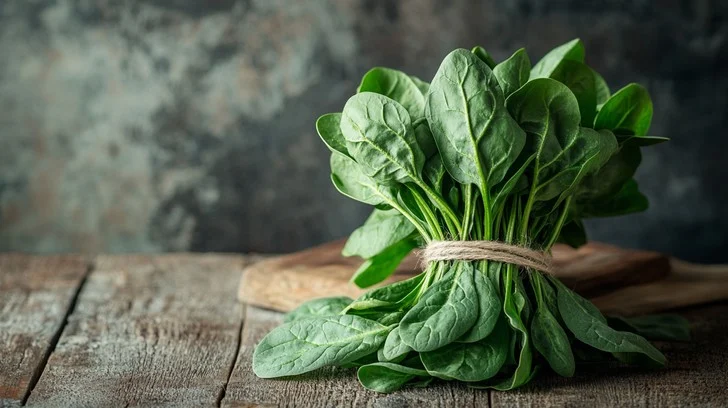
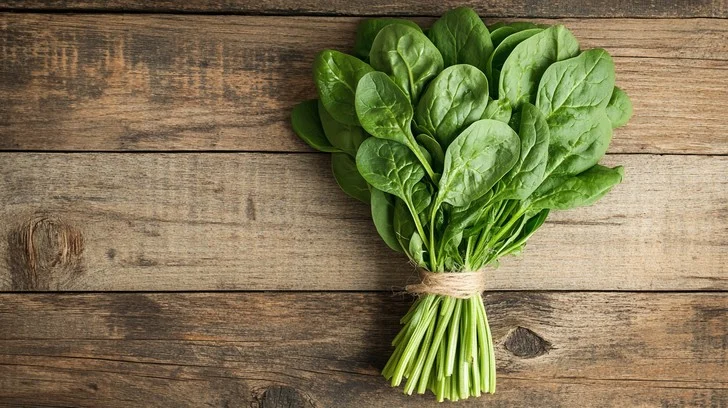
Spinach is among the vegetables frequently included in balanced nutrition programs due to its vitamin, mineral, and antioxidant content. Especially rich in iron, folate, vitamin C, and natural fiber, spinach may contribute to increasing daily vegetable intake and supporting overall nutritional balance.
Its high fiber content may help support digestive health, while its vitamins and minerals may contribute to immune system support. Due to its low-calorie structure and nutritious profile, spinach is widely preferred in healthy nutrition plans.
Seasonal spinach generally provides better freshness, aroma, and overall product quality. For professional kitchens, restaurants, hotels, and catering operations, selecting high-quality spinach is important for maintaining operational efficiency and consistent food standards.
How to Select Quality Spinach?
Quality spinach should be:
- Bright and dark green in color,
- Fresh and firm in leaf structure,
- Free from yellowing or wilting,
- Not overly wet or spoiled,
- Naturally fresh in appearance.
Wilted, yellowish, or damaged leaves may indicate quality loss.
How Should Spinach Be Stored?
Spinach should be stored in a cool and dry refrigerator environment. Keeping spinach unwashed until use may help preserve freshness for a longer period.
Before consumption, spinach should be cleaned thoroughly with plenty of water. Fresh leafy vegetables are generally recommended to be consumed within a short period to maintain product quality.
Dietitian’s Evaluation
Due to its vitamin, mineral, and fiber content, spinach is frequently recommended as part of balanced nutrition programs. However, as with all foods, portion balance is important. Individuals with specific health conditions are advised to seek professional guidance regarding consumption.
Dietitian Tufan Koyuncu
Nutrition and Dietetics